

Operational Transformation.
Executed.
Neotechie delivers enterprise automation, software engineering, managed support, and data & AI solutions that reduce manual effort, improve reliability, and help teams scale with confidence.




Determine The Service You Need
Automation
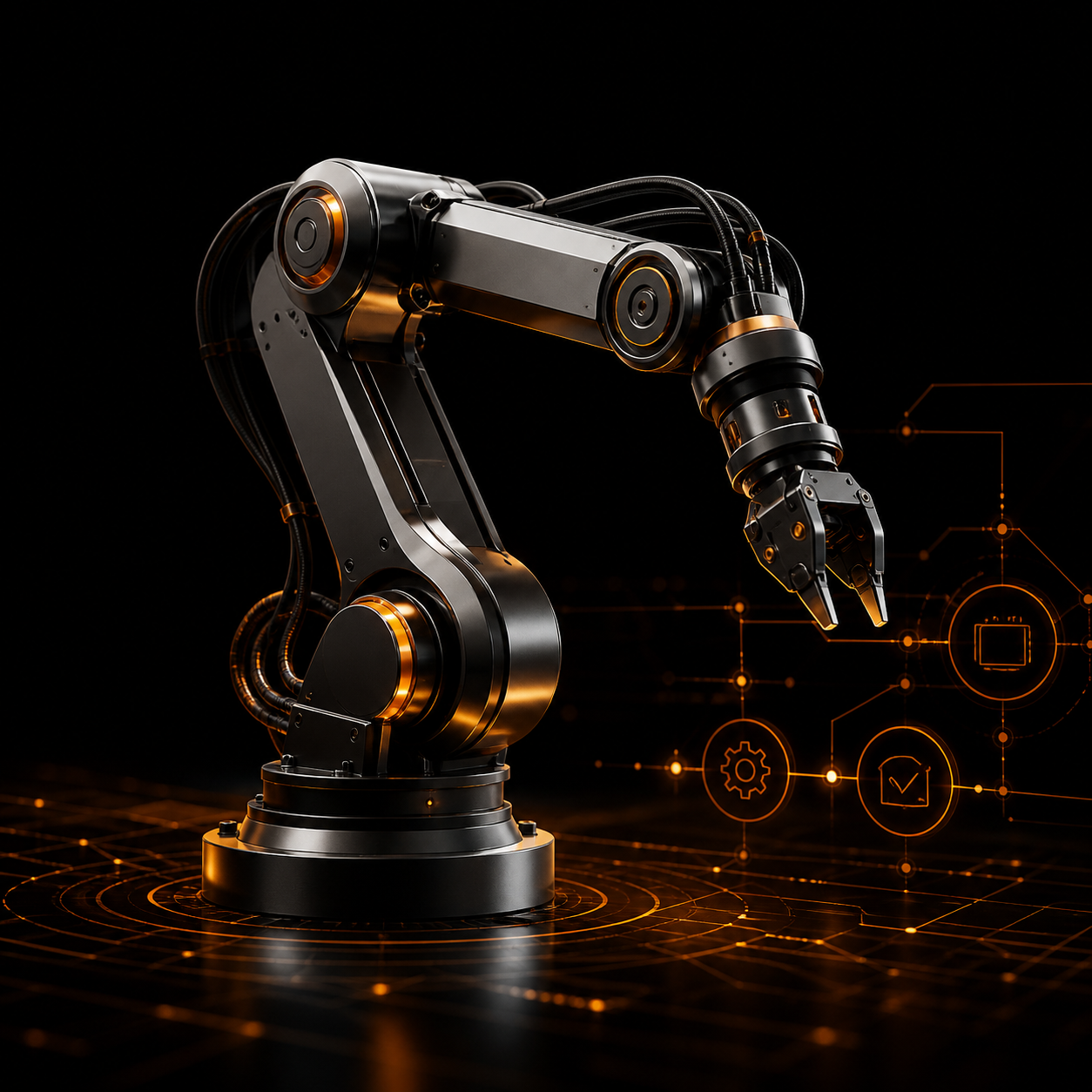
Automation is more than task elimination. Done right, it becomes a scalable operational capability that improves speed, quality, and control across the enterpriseExplore More

Data & AI
Neotechie helps organizations convert fragmented data into clear, usable intelligence—so leaders and teams can act faster and with confidence.Explore More

Software & SaaS
Neotechie helps organizations build and modernize software products that run core operations — customer portals, internal workflow systems, and SaaS platformsExplore More

Implementation & Integration
Platform configuration, requirement mapping, system integration, deployment and release support.Explore More

Testing & Enablement
Function validation, documentation, user training, onboarding and knowledge transfer.Explore More

Managed Services
Neotechie provides reliable L2/L3 application support and managed operations for business-critical systems. We run support like a product — clear ownershipExplore More
Why Choose Neotechie?
We deliver intelligent, scalable solutions that drive measurable business impact.

Quality-first execution
We don't chase projects—we build long-term partnerships. Every solution we ship is production-ready, measurable, and engineered to hold up in real-world operations.
Built for outcomes
Technology only matters when it moves the needle. We start with your goals and workflows, then design the simplest path to impact—faster cycles, fewer errors, stronger reliability.
Enterprise rigor with a hands-on team
You get senior ownership, clear governance, and transparent communication. No black boxes—just disciplined delivery with predictable timelines & accountability.
Scale with confidence
From automation to managed support, we stay with you after go-live. We help you run, improve, and scale globally without compromising stability or compliance.
Testing & Enablement
Validate releases, document workflows, and prepare users with practical training and knowledge transfer.
Implementation & Integration
Configure platforms, connect systems, and support deployment and release with clear ownership.
Testimonials
Trusted by teams that value clarity, reliability, and results
Having Neotechie as our partner for service and testing support has been an outstanding experience. Their team consistently delivers reliable assistance, and we know we can depend on them no matter the time or the complexity of the issue.Read More
Adidas Group
Senior Program Manager
For almost a decade, Neotechie has been providing us with outstanding support in five areas: Direct support for our customers, Continuous testing of our application, Support with configuring the software for our customers, training our new employees.Read More
Cataligent Projekt GmbH
Managing Director